Skip to main content Skip to search Skip to main navigation
Application
Machine Tap JIS B-4430 Form C 35° Spiral Flute HSS-G - Rp (BSPP) 1.1/4 x 11 | VÖLKEL

Machine Tap JIS B-4430 Form C 35° Spiral Flute HSS-G - Rp (BSPP) 1.1/4 x 11

With Machine Tap JIS B-4430 Form C 35° Spiral Flute HSS-G - Rp (BSPP) 1.1/4 x 11 you produce internal threads for fitting parts and assemblies. A controlled setup reduces the risk of damaged first threads.

The designation Rp (BSPP) 1.1/4 x 11 defines the thread you cut so you can match drawings and mating parts. HSS-G indicates ground high speed steel, typically chosen for accurate geometry and consistent cutting action. The reference JIS B-4430 provides a common specification framework for the tool form and designation.

Application

  • Cut internal threads in a machine setup where repeatability and controlled feed are required.
  • Process: manual driving or assisted driving depending on your holder and machine setup
  • Use: thread cutting, re tapping, and thread cleaning depending on condition
  • Use a suitable tapping chuck or rigid holder and keep axial alignment to reduce side load.
  • Manage lubrication and chip evacuation to limit torque and improve thread surface quality.
  • Spiral flute designs support chip evacuation out of blind holes when used with appropriate process parameters.

Note Verify the thread designation before starting and check the first turns for square alignment.

Benefits

  • Supports repeatable threading in machine assisted processes
  • Designed for controlled feed and consistent thread quality
  • Efficient for production workflows when a stable setup is available
  • Ground tool geometry can support consistent cutting action
Drawbacks
  • Not suitable for abrasive or highly work hardening materials without adapted process control
  • Not intended for high performance cycle times in mass production

Step by step

  1. Prepare the hole according to the specified thread standard and add an entry chamfer.
  2. Clamp the workpiece rigidly and ensure the spindle axis is aligned to the hole.
  3. Mount the tap in a suitable tapping chuck or rigid holder.
  4. Apply a tapping lubricant appropriate for the material and process.
  5. Set a controlled feed that matches the thread pitch and start the cut.
  6. Maintain lubrication and monitor chip evacuation from the flutes.
  7. Retract the tap under control after reaching the required thread depth.
  8. Clean the thread and verify the functional fit.

Scope of supply

  • 1 piece Machine Tap JIS B-4430 Form C 35° Spiral Flute HSS-G - Rp (BSPP) 1.1/4 x 11

Technical features

  • Product type: Machine Tap
  • Standard: JIS B-4430
  • Tool material: HSS-G
  • Thread designation: Rp (BSPP) 1.1/4 x 11
  • Chamfer form: Form C
  • Flute design: Spiral flute

Frequently asked questions (FAQ)

How do you select the correct thread designation for this tool
Match the designation Rp (BSPP) 1.1/4 x 11 to the drawing and mating part, then confirm that the hole type and process match the tool design.

Which holder is typically used for machine tapping
A tapping chuck or rigid holder is commonly used, and alignment to the hole axis is critical to prevent side load on the tap.

How do you reduce the risk of tap breakage
Keep alignment, use suitable lubrication, avoid side loading, and clear chips from the flutes so torque does not rise suddenly.

Which workpiece materials are typical for this threading tool
Thread cutting tools are commonly used in steels, cast iron, and many non ferrous alloys, but you should adapt lubricant choice and process control for hard, sticky, or abrasive materials.

How do you check thread quality after tapping
Use a suitable gauge or the intended mating part to confirm functional fit, and inspect the first threads for damage or misalignment.

Do you need lubrication and how do you manage chips
Use a cutting fluid suitable for the material to reduce friction, and clear chips from the flutes during the process to keep torque stable.

Where can you find additional technical information for selection and standards
For an overview of threading tools and related standards, refer to the VD 23 catalog as PDF.

Do you need help selecting or using the product?
Use the contact form.

Additional information
Type of thread pipe thread
Standard JIS B-4430
Form Form C
Material HSS-G
Tolerance medium
Size Rp (BSPP) 1.1/4 x 11
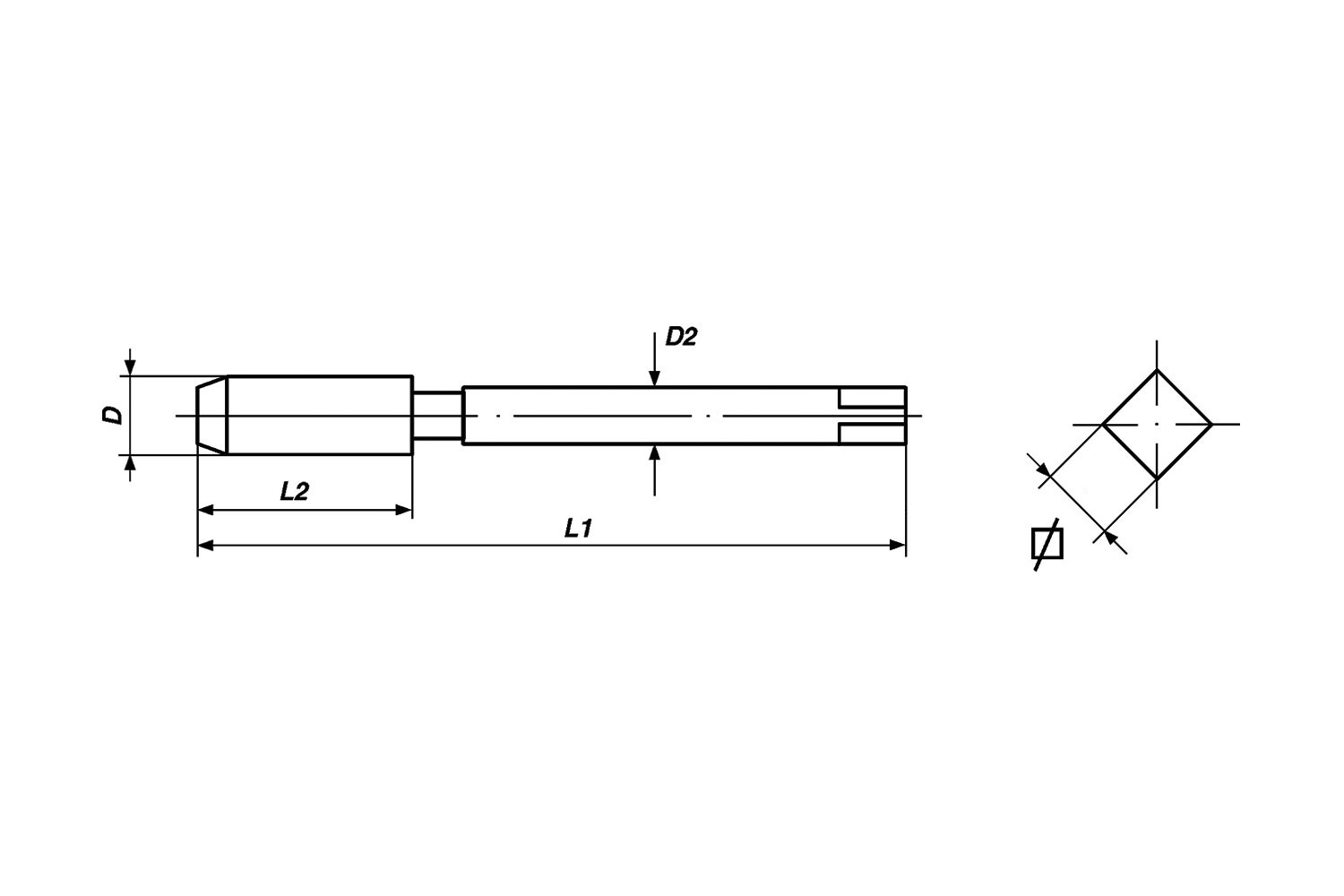
Overall length (L1) 105 mm
Thread length (L2) 45 mm
Core hole diameter (D1) 39.0 mm
Shank diameter (D2) 32.0 mm
Drive connector 26.0 mm
EAN 4022835957461
Item number 95746
Type of flute 35° Spiral Flute
Application for blind holes
Thread standard ISO 7-1 (DIN EN 10226-1)
Machine Tap JIS B-4430 Form C 35° Spiral Flute HSS-G - Rp (BSPP) 1.1/4 x 11 | VÖLKEL

Machine Tap JIS B-4430 Form C 35° Spiral Flute HSS-G - Rp (BSPP) 1.1/4 x 11

With Machine Tap JIS B-4430 Form C 35° Spiral Flute HSS-G - Rp (BSPP) 1.1/4 x 11 you produce internal threads for fitting parts and assemblies. A controlled setup reduces the risk of damaged first threads.

The designation Rp (BSPP) 1.1/4 x 11 defines the thread you cut so you can match drawings and mating parts. HSS-G indicates ground high speed steel, typically chosen for accurate geometry and consistent cutting action. The reference JIS B-4430 provides a common specification framework for the tool form and designation.

Application

  • Cut internal threads in a machine setup where repeatability and controlled feed are required.
  • Process: manual driving or assisted driving depending on your holder and machine setup
  • Use: thread cutting, re tapping, and thread cleaning depending on condition
  • Use a suitable tapping chuck or rigid holder and keep axial alignment to reduce side load.
  • Manage lubrication and chip evacuation to limit torque and improve thread surface quality.
  • Spiral flute designs support chip evacuation out of blind holes when used with appropriate process parameters.

Note Verify the thread designation before starting and check the first turns for square alignment.

Benefits

  • Supports repeatable threading in machine assisted processes
  • Designed for controlled feed and consistent thread quality
  • Efficient for production workflows when a stable setup is available
  • Ground tool geometry can support consistent cutting action
Drawbacks
  • Not suitable for abrasive or highly work hardening materials without adapted process control
  • Not intended for high performance cycle times in mass production

Step by step

  1. Prepare the hole according to the specified thread standard and add an entry chamfer.
  2. Clamp the workpiece rigidly and ensure the spindle axis is aligned to the hole.
  3. Mount the tap in a suitable tapping chuck or rigid holder.
  4. Apply a tapping lubricant appropriate for the material and process.
  5. Set a controlled feed that matches the thread pitch and start the cut.
  6. Maintain lubrication and monitor chip evacuation from the flutes.
  7. Retract the tap under control after reaching the required thread depth.
  8. Clean the thread and verify the functional fit.

Scope of supply

  • 1 piece Machine Tap JIS B-4430 Form C 35° Spiral Flute HSS-G - Rp (BSPP) 1.1/4 x 11

Technical features

  • Product type: Machine Tap
  • Standard: JIS B-4430
  • Tool material: HSS-G
  • Thread designation: Rp (BSPP) 1.1/4 x 11
  • Chamfer form: Form C
  • Flute design: Spiral flute

Frequently asked questions (FAQ)

How do you select the correct thread designation for this tool
Match the designation Rp (BSPP) 1.1/4 x 11 to the drawing and mating part, then confirm that the hole type and process match the tool design.

Which holder is typically used for machine tapping
A tapping chuck or rigid holder is commonly used, and alignment to the hole axis is critical to prevent side load on the tap.

How do you reduce the risk of tap breakage
Keep alignment, use suitable lubrication, avoid side loading, and clear chips from the flutes so torque does not rise suddenly.

Which workpiece materials are typical for this threading tool
Thread cutting tools are commonly used in steels, cast iron, and many non ferrous alloys, but you should adapt lubricant choice and process control for hard, sticky, or abrasive materials.

How do you check thread quality after tapping
Use a suitable gauge or the intended mating part to confirm functional fit, and inspect the first threads for damage or misalignment.

Do you need lubrication and how do you manage chips
Use a cutting fluid suitable for the material to reduce friction, and clear chips from the flutes during the process to keep torque stable.

Where can you find additional technical information for selection and standards
For an overview of threading tools and related standards, refer to the VD 23 catalog as PDF.
Do you need help selecting or using the product?
Use the contact form.

Die visible through a larger die.
Application consulting
Always the perfect product for your application situation
Request consulting