

Oversize 7G: Dimensionally accurate threads despite coating
In short
- A coating also builds up on the thread flanks and makes an internal thread tighter.
- A 6H internal thread has no reserve for this; the screw can jam afterwards.
- A tap with oversize tolerance such as 7G solves the problem by deliberately cutting the thread larger before coating.
The thread was cut cleanly. After nickel plating, however, the screw no longer goes in. The reason is not the tap, but the layer that is subsequently deposited on the flanks.
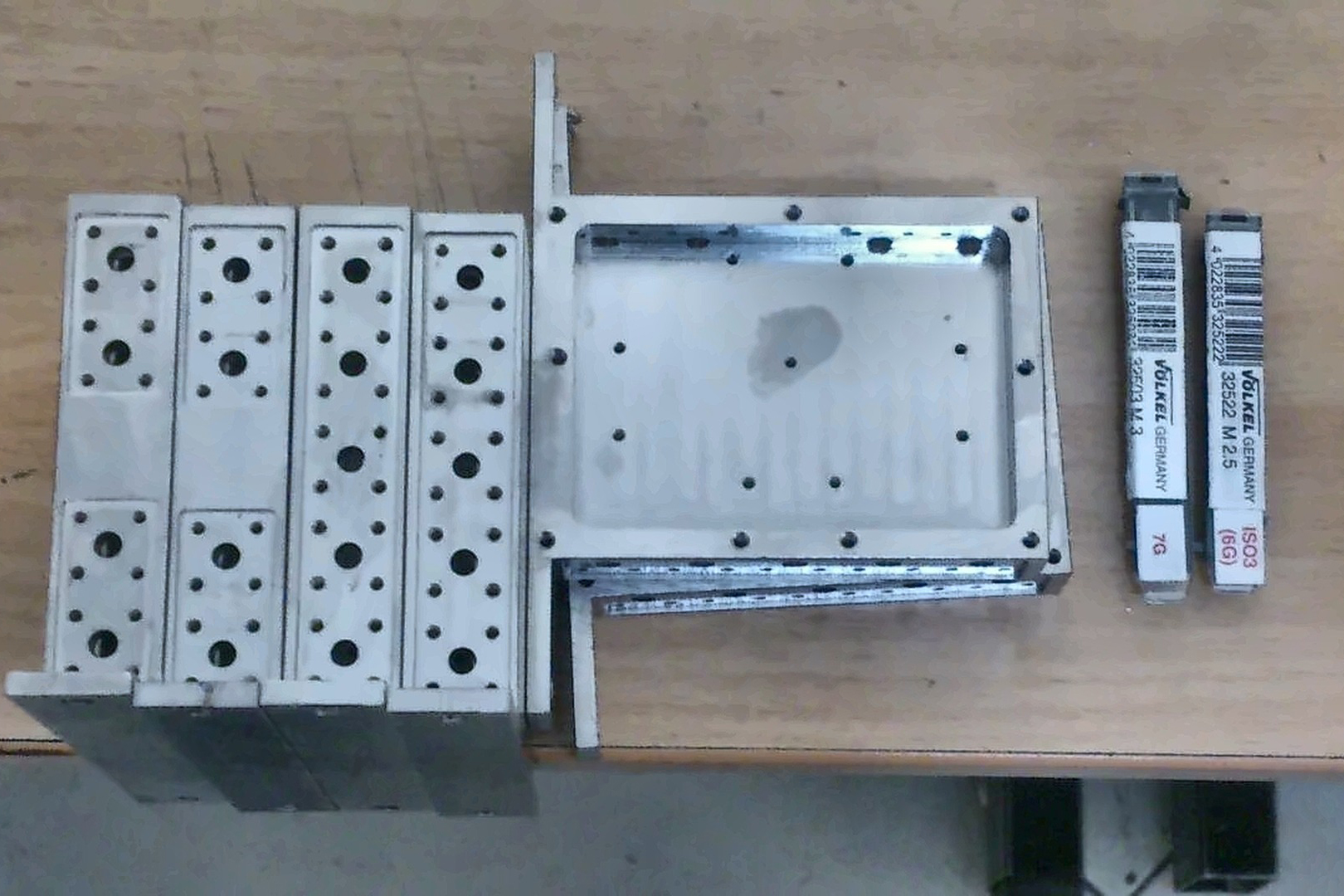
A user who manufactures aluminium housing plates for radio technology solves this with the VÖLKEL DIN 371 machine tap, Form B, M3 × 0.5 in tolerance 7G (item no. 32503). The M3 threads still fit after nickel plating.

“When tapping, you need to know what happens to the component after machining. A coating of only a few hundredths of a millimetre is enough for a thread cut to 6H to no longer fit after coating. The oversize must therefore be built into the tool from the outset.”
The application at a glance
| Feature | Application details |
|---|---|
| Component | Aluminium plates as holders and housings for control boards |
| Application area | Radio networks, installation on radio masts outdoors |
| Material | Aluminium |
| Surface after machining | nickel-plated, coating thickness up to 0.03 mm |
| Thread | M3 × 0.5, through thread |
| Thread length | 5 mm |
| Tool | VÖLKEL DIN 371 machine tap, Form B, HSSE, 7G, item no. 32503 |
| Requirement | dimensionally accurate internal thread after coating |
Why are the aluminium plates nickel-plated?
The plates contain control boards for radio networks. The housings are mounted on radio masts and are exposed for years to rain, moisture and temperature changes. The electronics still have to operate reliably.
Bare aluminium naturally forms a thin oxide layer in air that protects it against normal ambient conditions. With permanent moisture, condensation or air containing salt and pollutants, however, this natural protection is not always sufficient. The surface can then corrode, in unfavourable cases even locally as pitting corrosion. The user therefore nickel-plates the plates after machining. The nickel layer, up to 0.03 mm thick, seals the surface and makes the components more resistant to weathering.
For the threads, this means that the thread is cut in the bare aluminium, directly after machining and before the plates are sent for nickel plating. Assembly takes place only on the finished coated component. What matters is therefore not the dimension immediately after tapping, but the dimension after nickel plating.
What happens to a thread when it is coated?
The number in this article: 0.03 mm
That is the maximum thickness of the nickel layer. It sounds small. But every hundredth of a millimetre of coating on the flanks costs around four hundredths of a millimetre of pitch diameter. The entire 6H tolerance zone for M3 is only 0.1 mm wide.
On a smooth bore, a coating reduces the diameter by twice the coating thickness. On a metric thread with a 60° flank angle, the effect is considerably greater. A uniform coating on the flanks reduces the pitch diameter of an internal thread by about four times the coating thickness.
An internal thread in tolerance 6H has no reserve for this because its tolerance zone starts directly at the basic size. For M3, the permissible pitch diameter for 6H lies between 2.675 and 2.775 mm. Each coating shifts the thread towards the basic size or below it. If the coated internal thread falls below the basic size, the threaded bolt jams during assembly.
What does tolerance 7G mean for a tap?
The tolerance class consists of two parts. The number indicates the tolerance width, while the letter indicates the position of the tolerance zone:
- H: The tolerance zone starts at the basic size and has no fundamental deviation. This is the standard for uncoated threads.
- G: The tolerance zone lies above the basic size by a fundamental deviation. At a pitch of 0.5 mm, this is +0.020 mm according to ISO 965-1.
- 7 instead of 6: The tolerance zone is wider than for grade 6.
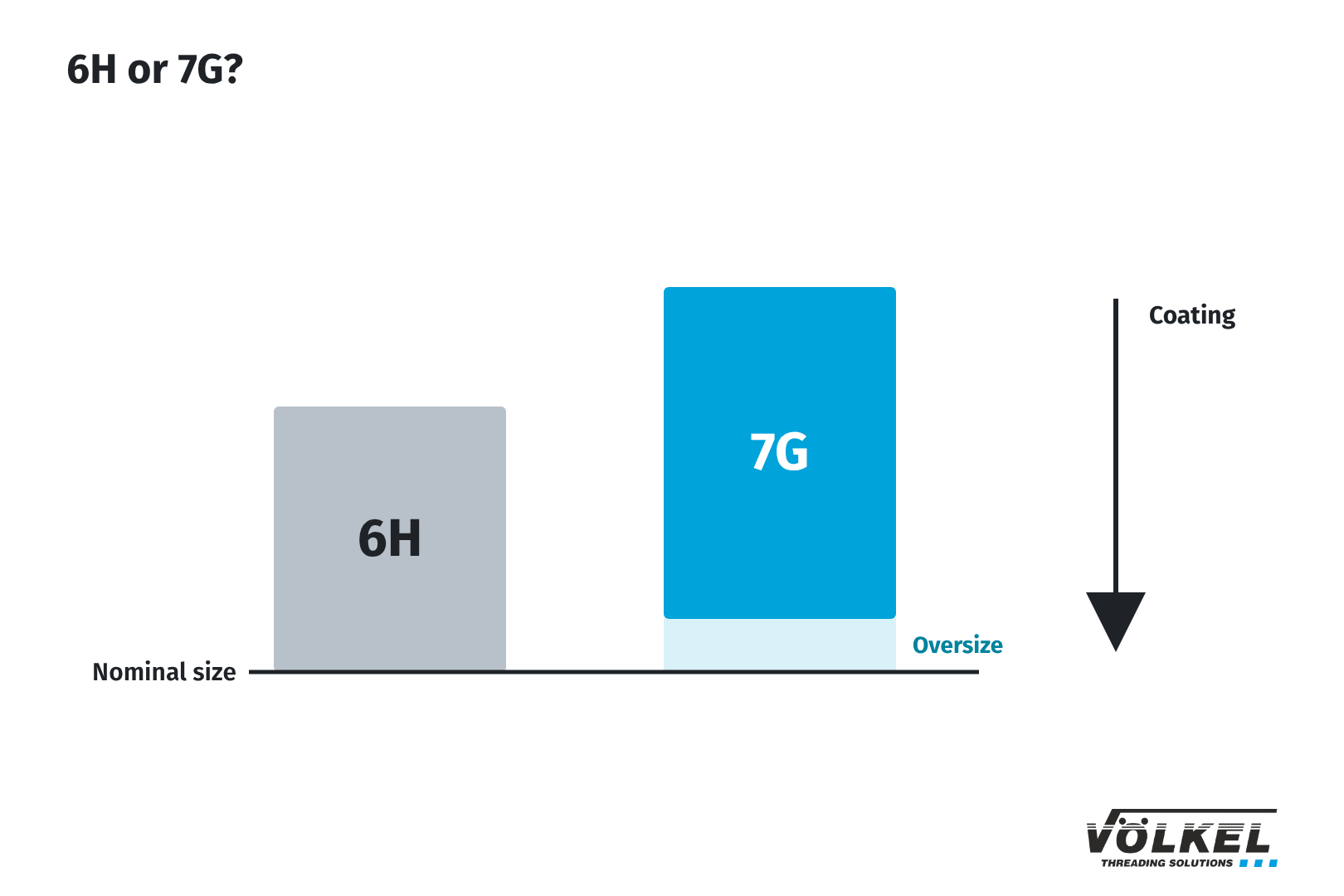
A tap in 7G deliberately cuts the internal thread larger. The coating can then use up this oversize. VÖLKEL offers metric taps with oversize tolerances 6G, 7G and +0.1. Which one is suitable depends primarily on how much coating actually builds up on the flanks.
With a coating of up to 0.03 mm, 7G is close to the limit of what the oversize can compensate for. For thicker coatings, a larger oversize such as +0.1 is the safer choice.
This is how the process differs with 6H and 7G:
| Cut with 6H | Cut with 7G | |
|---|---|---|
| 1. Cut thread | The thread lies in the standard tolerance zone, upwards from the basic size. | The thread lies above the basic size with oversize. |
| 2. Nickel plate | The coating reduces the pitch diameter. The thread slips below the basic size. | The coating reduces the pitch diameter. The oversize compensates for this. |
| 3. Assemble | The threaded bolt jams. | The threaded bolt can be assembled. |
Why Form B for this application?
The M3 threads are through threads with a length of 5 mm. The spiral point of Form B pushes the chips forward in the cutting direction so that they exit at the back of the plate. This keeps the thread in the aluminium free of chips that could otherwise damage the flanks. Tap 32503 is straight-fluted and designed for through holes.
Form B or Form C: Which tap is right for which hole?
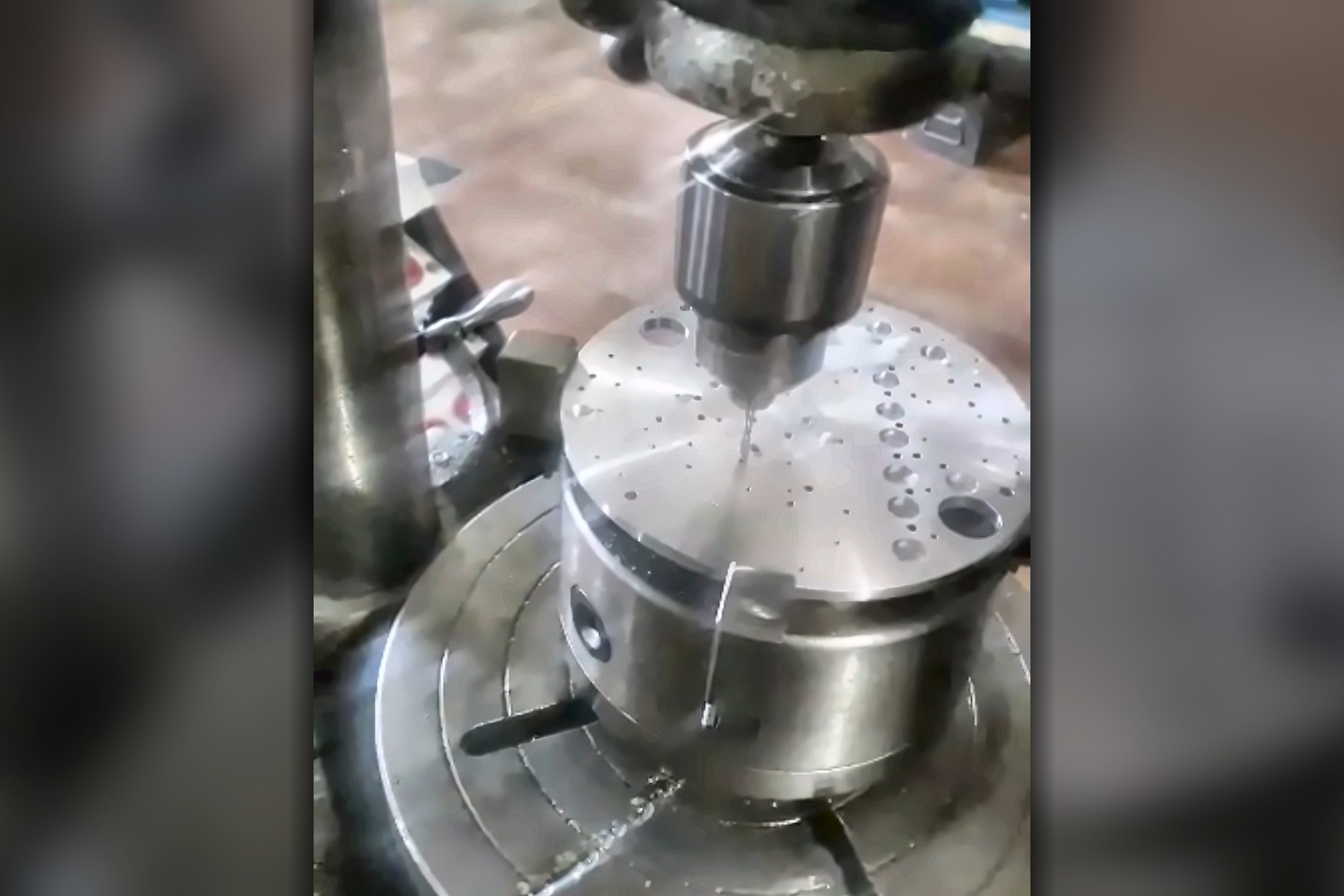
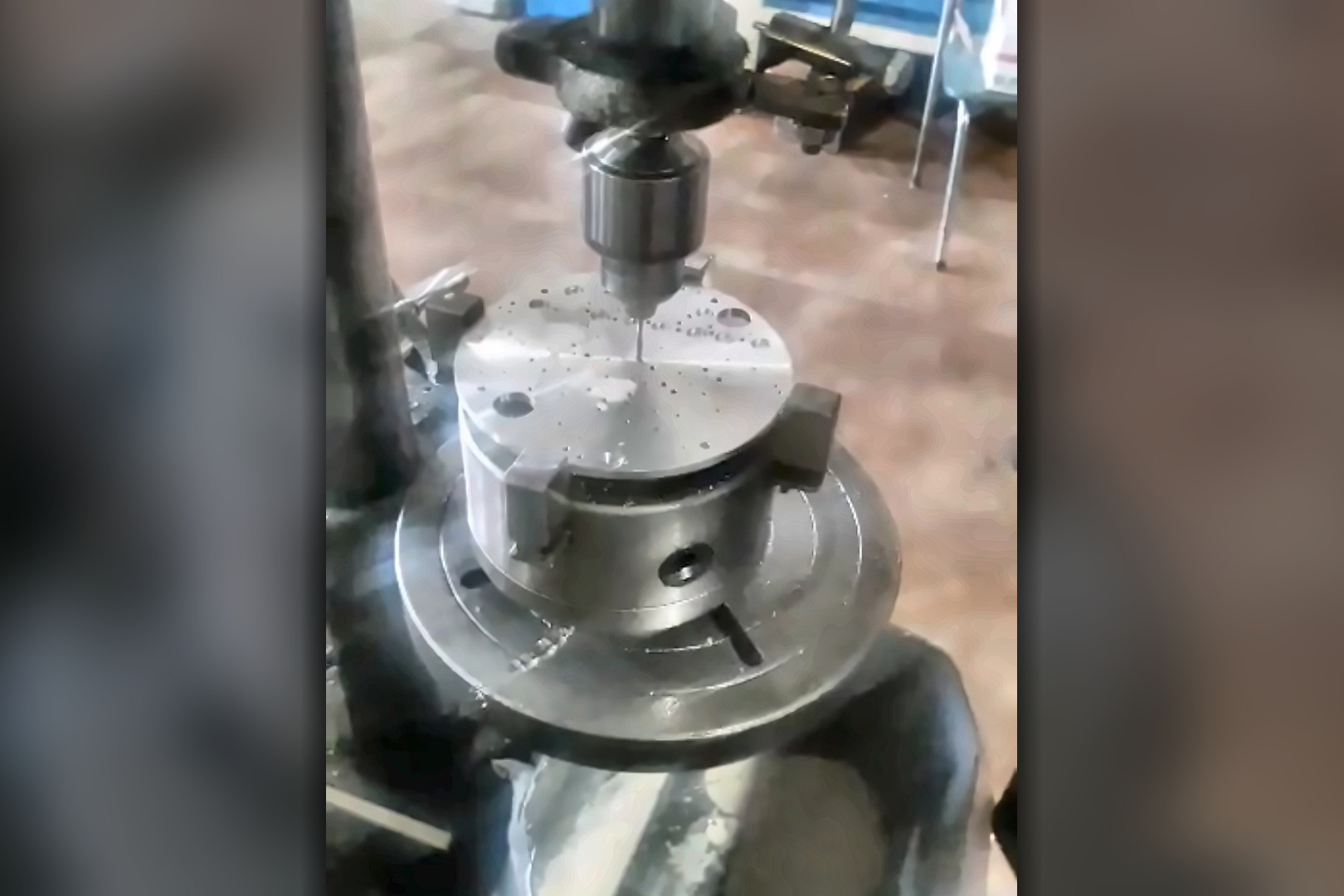
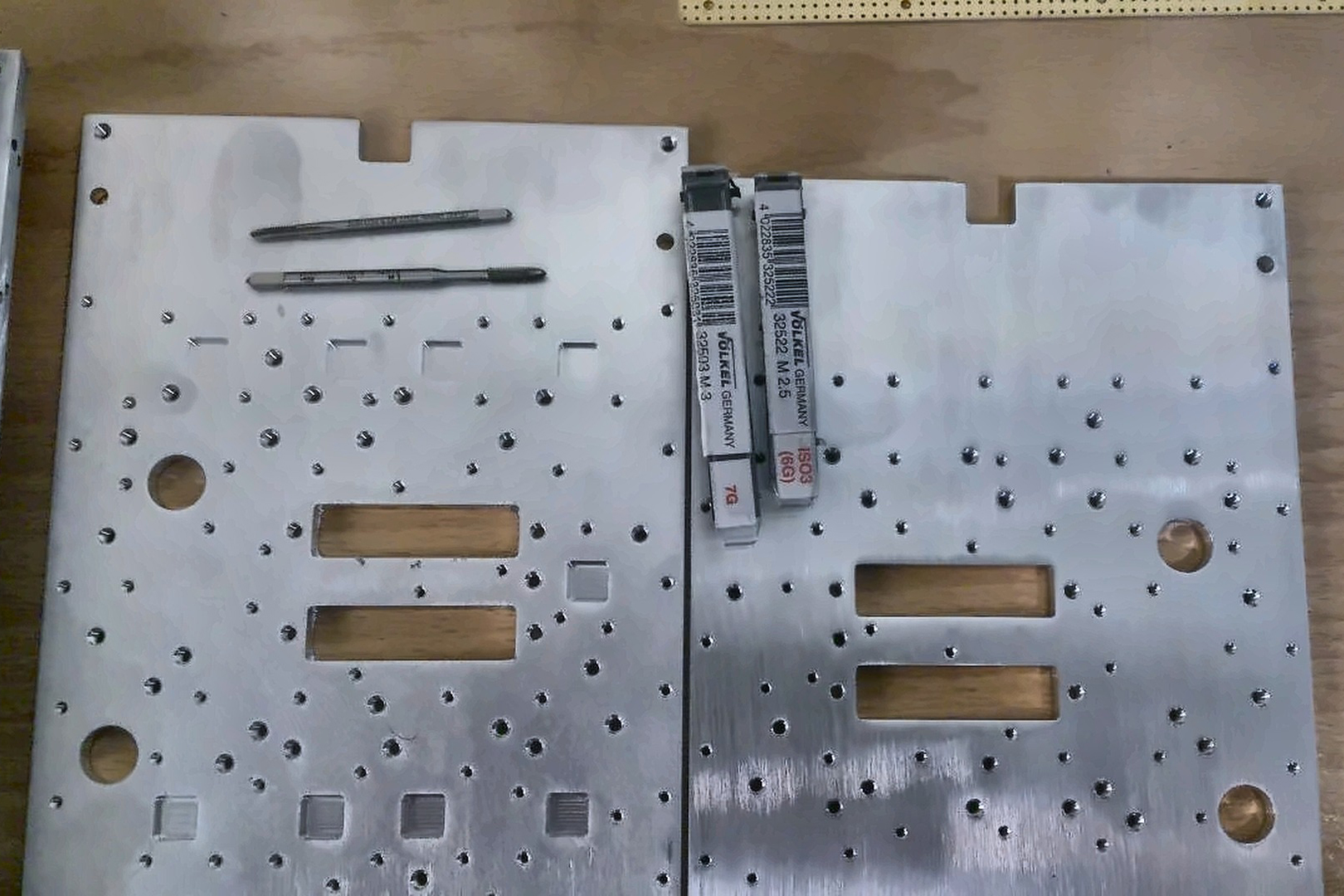
What did the oversize achieve for the user?
With the 7G tap, the M3 internal threads remain dimensionally accurate after nickel plating. The threaded bolts can be assembled without jamming, and no rework is required on the coated component.
That is the crucial point. Recutting after coating may seem obvious, but it solves the problem in the wrong place. The tap removes the nickel layer from the flanks again, precisely where the weather protection for which the plates were nickel-plated is then missing. It would also add another operation to every single thread.
Which tolerance do you need for your thread?
- Component remains uncoated → tap in 6H
- Internal thread is coated afterwards → tap with oversize tolerance, i.e. 6G, 7G or +0.1 depending on coating thickness
- External thread is coated afterwards → die with undersize tolerance, 6e
For external threads, it is the other way round. The coating increases the pitch diameter of the bolt. To ensure that it still fits into the nut after coating, it is cut undersize beforehand, for example with VÖLKEL dies in tolerance 6e.
Cut external threads cleanly with a die
There are two additional points you should bear in mind. Ask the coating company how thick the layer will actually be on the thread flanks, not just on the outer surface. And inspect the thread on the finished component after coating, for example with a thread plug gauge.
Inspect threads with GO and NO-GO plug gauges
Are you cutting threads that will subsequently be coated and are unsure about the correct tolerance? Our application engineering team can help you match coating thickness, thread size and tool.
Overview of the tool used
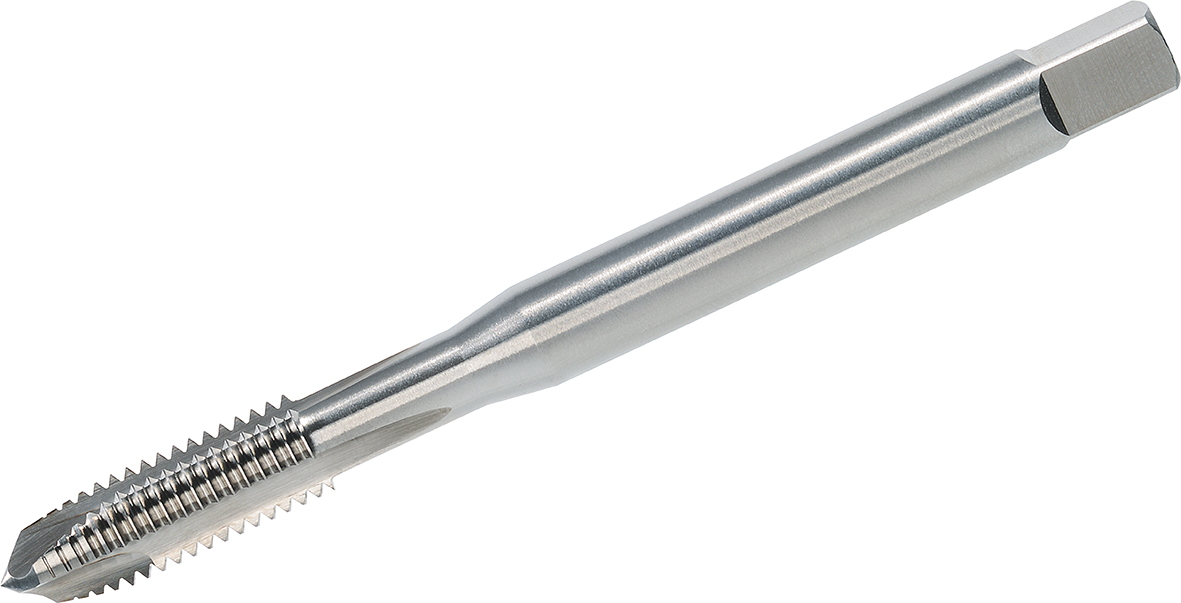
VÖLKEL machine tap DIN 371, Form B, HSSE, 7G, M3 × 0.5, item no. 32503
- Thread
- M3 × 0.5, metric ISO thread (DIN 13)
- Tolerance
- 7G (oversize)
- Application
- Machine production of through threads
- Chamfer
- Form B with spiral point
- Flute form
- straight-fluted
- Cutting material
- HSSE
- Coating
- bright (uncoated)
- Tap drill diameter
- 2.5 mm
- Dimensions
- DIN 371
- Overall length / thread length
- 56 mm / 11 mm
- Shank diameter / square
- 3.5 mm / 2.7 mm


